
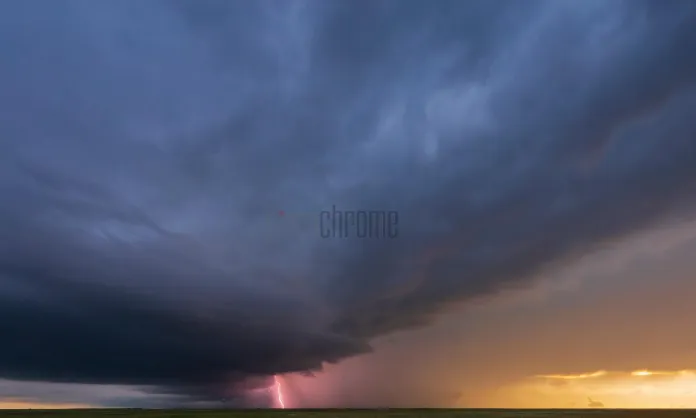
Storms can change fast across the Great Plains, and supercells are among the most studied storms by storm chasers. For anyone planning storm chasing 2027 Wichita, knowing how these storms form can make each outing safer and more useful. A supercell is not simply a large thunderstorm. It has a deep, rotating updraft that can stay active for hours. That rotation helps shape the storm and may create hail, strong winds, or tornadoes. Good storm knowledge starts before the chase begins, not when the clouds arrive.
What Makes A Supercell Different
A supercell stands out because its updraft rotates. This rotating column is called a mesocyclone. Warm, moist air near the ground feeds the storm, while cooler air higher up helps create strong instability. Wind that changes speed or direction with height adds another key piece. Together, these factors can help a storm grow tall and organized. Some supercells stay fairly stable, while others become severe. Their structure may shift in minutes. That is why chasers watch radar, wind data, cloud shape, and storm movement instead of relying on one visual sign.
How Rotation Builds Inside Storms
Rotation often begins when winds near the ground differ from winds higher up. Rising air can tilt that horizontal spin upward. The result is a rotating updraft that can become stronger as the storm develops. In tornado chasing 2027, understanding this process helps chasers read storm structure with more care. Rotation alone does not mean a tornado will form. The storm also needs the right balance of moisture, instability, lift, and low-level wind patterns. Small changes matter. A storm may weaken quickly, or it may become more organized as new air flows into its base.
Reading A Supercell from Afar
Storm chasers often study the storm base, rain core, inflow area, and cloud structure from a safe distance. A rotating wall cloud can be an important feature, but it is not proof that a tornado will appear. Radar adds another view. Strong rotation signals, hook-like shapes, hail cores, and storm tracks can reveal details that the eye cannot. During storm chasing 2027 Wichita, keeping both visual and radar information in mind can help build a clearer picture. Still, every storm is different. Weather tools support decisions, but they never remove the need for caution.
Why Storm Speed Matters So Much
A fast-moving supercell can cover a surprising distance in a short time. Roads that seem safe may become blocked by rain, hail, flooding, or debris. Storm motion also changes how quickly a chaser must react. A storm that turns may shift away from its earlier path and affect a new area. During tornado chasing in 2027, route planning should include more than the target point. Chasers need escape options, clear roads, fuel, reliable communication, and enough time to move away. Watching the storm from too close a distance can remove those choices very quickly.
Using Weather Data Before Leaving
A strong chase often begins hours before the first storm forms. Forecast maps can show moisture, instability, wind shear, temperature changes, and expected storm coverage. Radar then becomes more useful once storms develop. Satellite images can reveal growing clouds and changing boundaries. Local alerts also matter because conditions can shift faster than forecasts suggest. A careful chaser checks several sources rather than trusting one map. This approach also helps avoid busy roads and poor visibility. The goal is not simply to find a dramatic storm. It is to understand what the atmosphere is doing.
Conclusion
Supercells are complex, powerful storms, but their basic signals can be learned with practice. Rotation, moisture, wind shear, storm structure, and movement all help explain why one storm may become severe while another fades. Careful planning is just as important as weather knowledge. Anyone following future storm activity through stormchasing.com should keep safety ahead of close views or dramatic footage. A good chase is built on patience, clear data, smart routes, and respect for changing weather. The best observation often comes from a place that leaves plenty of room to leave.