
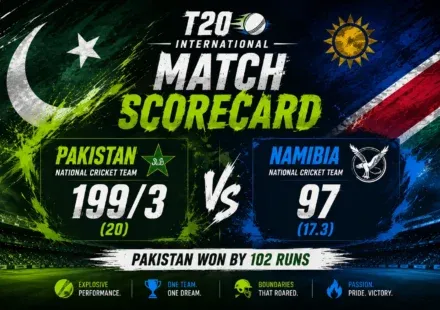
Cricket match results contain several details that explain how a game ended and which team achieved its objective. On cricketscore.it.com, readers can explore match summaries and understand the numbers behind wins, losses, ties, and other outcomes. A final result may look simple, but the margin of victory often reveals important information about the contest. A team winning by five wickets has achieved a different result from one winning by 30 runs. Learning how these descriptions work makes cricket scorecards easier to interpret. It also helps readers compare completed matches without relying only on the final score.
Understanding Common Match Results
A cricket scorecard usually displays the winning team, the margin of victory, and the final scores from both sides. The wording depends on how the match was decided. In a limited-overs match, a team might win by runs when defending its total or by wickets when successfully chasing a target.
A result such as “Team A won by 24 runs” means Team A scored more runs than its opponent could reach within the match conditions. By contrast, “Team B won by four wickets” means Team B completed the chase while losing six of its ten available wickets, assuming the standard eleven-player side and no unusual circumstances.
These descriptions explain different aspects of the result. The runs margin compares final totals, while the wickets margin reflects how many wickets the winning team still had available when the chase ended.
What Winning By Runs Means
A team wins by runs when it bats first and successfully defends its total. The opposing team finishes with fewer runs than the target required for victory. The margin is calculated from the difference between the relevant final totals.
For example, suppose Team A scores 180 runs in a 20-over match. Team B then scores 154 runs before its innings ends. Team A wins by 26 runs because 180 minus 154 equals 26.
This margin helps readers understand the difference between the teams’ totals. However, the number alone does not explain whether the match was close throughout or whether one side struggled early. Readers should also consider wickets lost, overs used, and how the scoring developed during the innings.
Understanding Victory By Wickets
A team wins by wickets when it successfully chases the target before losing all its available wickets. The wickets margin indicates how many wickets remained when the winning runs were scored.
For instance, if a team wins while four wickets have fallen, it has six wickets remaining under standard conditions. The result is therefore recorded as a win by six wickets. This can indicate that the chasing team reached its target without using most of its batting resources.
However, a large wickets margin does not automatically mean the chase was effortless. The team might have faced difficult conditions early and recovered through a strong partnership. The required run rate, remaining overs, and individual scores provide useful context when interpreting the result.
How Tied Matches Work
A tied match occurs when both teams finish with the same number of runs under the applicable match conditions. Neither team has a higher total at the end of the innings, so the result is recorded as a tie unless a competition’s rules provide another method for deciding the winner.
A tie is different from a draw. In many limited-overs matches, a tie means both teams completed their innings with equal scores. In Test cricket, a draw generally means the match ended without a winner or a tie, often because the available playing time expired before a decisive result could be reached.
Readers should check the match format and official result wording before interpreting these outcomes. The distinction matters because a tied match and a drawn match represent different situations.
Reading Results After Rain
Weather interruptions can affect the number of overs available and may change how a limited-overs match is decided. Depending on the competition rules, officials may revise the target or use an approved calculation method to determine the result.
A shortened match should not always be compared directly with a full-length match. The teams may have faced different scoring opportunities, and the revised target may reflect the remaining overs and match circumstances.
Sometimes, rain prevents enough play for an official result to be declared. In such cases, the match may be recorded as abandoned or without a result, depending on the competition’s rules. Readers should rely on the official scorecard rather than guessing from the scores available before the interruption.
Why Match Margins Matter
The margin of victory provides useful context when reviewing a team’s performance across several matches. A narrow win may suggest that both sides remained competitive until the closing stages. A larger margin can indicate a more substantial difference in the final result, although the scorecard alone cannot explain every reason behind it.
Runs and wickets margins are not directly interchangeable. A 30-run victory cannot automatically be considered stronger than a win by five wickets because the match situations may differ. Pitch conditions, the target, overs available, and team strategy can all affect the outcome.
Comparing results becomes more useful when readers consider the format and the circumstances alongside the margin. This approach avoids drawing broad conclusions from one number alone.
Checking Official Scorecard Details
Before interpreting a result, check the final team totals, wickets, overs, and official result description. These details help confirm whether the match ended through a completed chase, a defended total, a tie, or an interruption.
It is also useful to distinguish a completed match from a no-result game. A match may have partial scores displayed even when the available play was insufficient for an official winner to be declared. Reading the status alongside the score prevents confusion.
Readers should avoid assuming that every result follows the same calculation. Test matches, limited-overs games, and competitions with special rules can produce different result descriptions. The official match summary provides the clearest starting point for understanding the outcome.
Conclusion
Understanding cricket match results requires more than checking which team won. Readers visiting cricketscore.it.com can use the winning margin, final totals, wickets remaining, and official match status to interpret outcomes more accurately. Each detail explains a different part of the result, while the match format provides essential context. By checking these figures together, cricket fans can follow completed matches more clearly and avoid common mistakes when comparing team performances.
Read also :-
bangladesh national cricket team vs afghanistan national cricket team timeline