
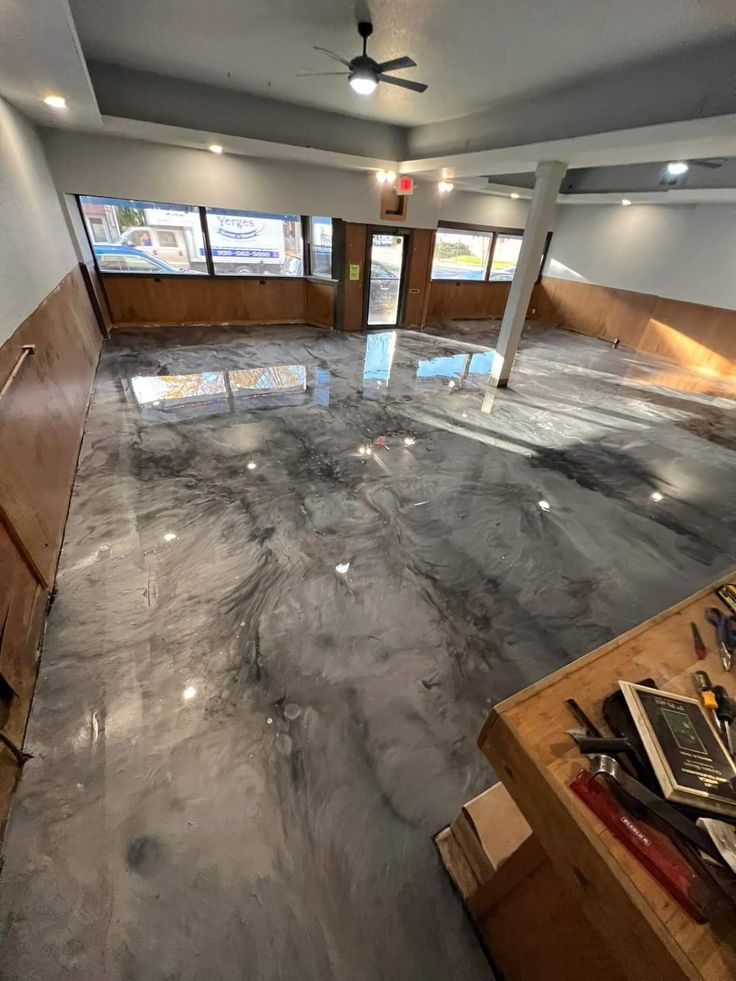
Experienced installers often develop favorite products, but using the same system on every floor can create problems. Contractors looking for epoxy supply sacramento options should begin with the job conditions, because a residential garage, warehouse, showroom, and decorative floor can require very different materials.
Product selection becomes easier when the entire flooring system is planned before ordering. Slab condition, traffic, moisture, sunlight, cleaning routines, appearance, and expected downtime can all affect which primer, coating, broadcast material, and topcoat make sense.
Start With the Environment
A dry residential garage has different demands from a commercial workspace exposed to frequent cleaning or heavy rolling traffic. Before choosing a resin, list what the finished floor will experience during normal use.
When visiting an epoxy store sacramento contractors should already know whether the project is residential, commercial, or industrial. This basic information helps narrow the product category before details such as color and decorative finish are considered.
Check the Concrete Before Choosing the System
The slab itself can change the material plan. Old coatings, cracks, oil contamination, adhesive residue, pitting, and moisture concerns may require additional preparation or repair products.
Contractors should inspect the floor before finalizing quantities whenever possible. A project that appears straightforward from photographs can reveal very different conditions once the site is viewed in person.
The coating should be chosen for properly prepared concrete, not used as a way to hide problems that still need correction.
Decide What Performance Matters Most
Not every floor needs maximum performance in every category. Identifying the main priorities can prevent unnecessary cost and complexity.
A garage may require resistance to normal vehicle traffic and easy cleaning. A warehouse may place more emphasis on abrasion and rolling loads, while a customer-facing showroom may need durability together with a consistent decorative appearance.
Understanding the main workload helps contractors choose materials for a reason rather than relying on whichever product they used most recently.
Consider Where Sunlight Reaches the Floor
Sun exposure can influence coating selection. This is particularly relevant near open garage doors, entrances, patios, or areas where strong daylight reaches part of the floor for long periods.
Contractors should review the UV performance of the system and final protective layer when exposure is expected. Interior products should not automatically be assumed suitable for exterior or heavily sunlit locations.
The manufacturer’s technical information should guide these decisions.
Choose Decorative Materials After Performance
Color flakes, metallic pigments, quartz, and other decorative materials can dramatically change a finished floor, but they should come after the basic system requirements are established.
A decorative finish needs to work with the primer, base coat, broadcast method, and topcoat being installed. Contractors should also calculate how broadcast density affects material quantities.
Physical samples can help clients make better decisions than choosing only from digital photographs.
Pay Attention to Working and Recoat Windows
Coating products are sensitive to timing. Pot life, working time, cure time, and recoat windows may vary significantly between systems.
Crews should know these limits before mixing begins. Tools, materials, and team responsibilities should be organized so the application does not stop midway while someone searches for missing supplies.
Temperature can also affect product behavior, making current technical data more reliable than assumptions based on a previous project.
Build Tools Into the Product Decision
The selected system may determine which rollers, squeegees, mixers, spike shoes, gauge rakes, or other application tools are needed.
Contractors should verify that they have suitable tools before arriving on site. Even experienced crews can lose valuable working time when a roller cover, mixer, or application accessory is missing.
Keeping backups of inexpensive but essential tools can also prevent small problems from delaying the entire installation.
Do Not Forget the Final Maintenance Routine
The floor’s future cleaning requirements should be considered during product selection. A finish that is difficult for the client to maintain may become frustrating even if it performs well technically.
Texture is one example. Added grip can be useful in certain environments, but an extremely aggressive finish may hold more dirt and require additional cleaning effort.
Discussing maintenance before installation can help balance appearance, traction, and practicality.
Conclusion
Professional coating materials should be selected around the floor rather than around habit. Concrete condition, traffic, exposure, decorative goals, installation timing, and maintenance all help determine which system is suitable.
For Sacramento contractors comparing products and preparing complete coating systems, whatittakessacramento.com can be a useful resource when planning materials for upcoming work. Starting with the job requirements can lead to more deliberate product choices and a smoother installation from preparation through final topcoat.