
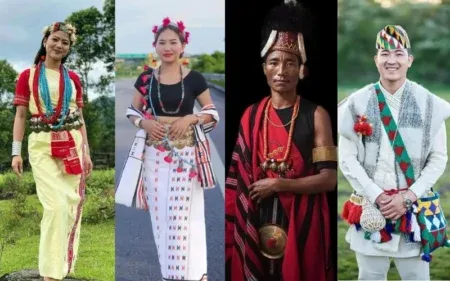
Finding suitable party clothes does not need to become a long or confusing process. abestoutfit.com provides useful inspiration for people choosing outfits for different social events and celebrations. The main goal should be finding clothing that fits the occasion without creating unnecessary discomfort. Venue, weather, timing, footwear, colors, and personal preferences can all affect the final choice. Sometimes a simple combination looks better because every piece works naturally together. Before deciding what to wear, consider how long the event may last and whether you will spend most of your time sitting, standing, walking, or moving around.
Start With Event Details
The event itself should guide the first stage of outfit planning because every gathering has different expectations. A daytime celebration may suit lighter fabrics and relaxed combinations, while an evening dinner can allow darker shades and slightly sharper pieces. Family gatherings may require modest and comfortable clothing depending on the setting. Birthday parties can offer more flexibility when there is no specific dress code. Look at the invitation, location, timing, and expected activities before choosing clothing. These details can quickly remove unsuitable options and make the remaining choices much easier.
Choose A Comfortable Base
A comfortable base makes the rest of the outfit easier to organize because other pieces can support it. This could be a well-fitting shirt, simple dress, clean trousers, skirt, or another familiar clothing item. Choose something that already feels good during normal movement instead of selecting an unfamiliar piece simply because it looks interesting. Check the fabric, fit, length, and overall structure before adding accessories. When the base feels comfortable, you can spend more attention on smaller details such as colors, footwear, and outer layers without constantly adjusting your clothing.
Think About Color Combinations
Color combinations can change the overall appearance of party clothing without requiring complicated styling. Neutral shades can provide a dependable base when you want accessories or footwear to attract more attention. Brighter colors can work well when balanced with quieter pieces elsewhere in the outfit. Similar shades can create a coordinated appearance while contrasting colors can make individual items more noticeable. Consider the lighting and time of the event because some colors may appear different indoors compared with outdoor settings. Personal preference should still matter because wearing colors you enjoy can make the outfit feel more natural.
Select Suitable Footwear
Footwear needs to match both the clothing and the physical conditions of the event. Shoes that look appropriate but cause discomfort can become a serious problem during longer celebrations. Consider whether the venue has stairs, grass, uneven flooring, long walking distances, or limited seating. Comfortable flats, low heels, sandals, loafers, or clean casual shoes may work depending on the occasion. New footwear should ideally be tested before the event rather than worn for the first time during a long celebration. Good footwear supports the complete outfit while allowing normal movement.
Keep Accessories Under Control
Accessories can make a simple party outfit feel more complete without requiring additional clothing. A small bag, watch, necklace, earrings, bracelet, scarf, or belt can add useful detail depending on the outfit. However, adding too many noticeable items can make the overall appearance feel crowded. Consider which accessory actually improves the combination before adding another one. Practical needs also matter because bags should hold necessary items without becoming difficult to carry. Choose pieces that complement the clothing and remain comfortable throughout the event.
Dress Around Weather
Weather conditions can affect party clothing even when the event takes place indoors. You may still need to travel through heat, cold, wind, or rain before reaching the venue. Lightweight layers can help during warmer conditions, while jackets and cardigans can provide flexibility during cooler evenings. Rainy weather may require footwear that handles wet surfaces and outer clothing that protects the main outfit. Check the expected conditions before getting dressed instead of assuming the venue temperature will remain comfortable throughout the day.
Avoid Last Minute Changes
Preparing the outfit earlier gives you enough time to notice problems before the event begins. Put the clothing, shoes, accessories, and outer layer together at least several hours before leaving whenever possible. Try everything on as one complete combination instead of checking each item separately. Walk around, sit down, and move your arms to see whether anything feels restrictive or keeps shifting. Look for loose threads, stains, wrinkles, missing buttons, or damaged accessories. Early preparation gives you time to replace one item without rebuilding the entire outfit.
Use Familiar Clothing Differently
Familiar clothing does not always need to create repetitive party looks because small changes can make older pieces feel different. A familiar shirt can look new when paired with different trousers, footwear, accessories, or an outer layer. The same dress can also create another appearance through a different bag, jacket, belt, or jewelry choice. This approach can make outfit planning easier because you already understand how the clothing fits and feels. It also reduces pressure to buy something new whenever another social event appears on your calendar.
Respect Your Personal Style
Personal style should remain part of party dressing because an outfit feels better when it reflects what you normally enjoy wearing. Someone who prefers simple clothing does not need several dramatic pieces to look prepared for a celebration. Someone who enjoys stronger colors or patterns can include those details while still respecting the event requirements. The important part is finding a reasonable balance between personal preference and the expected setting. Clothing should help you feel comfortable rather than forcing you into a style that feels completely unfamiliar throughout the event.
Conclusion
A useful party outfit combines comfort, suitable styling, practical footwear, thoughtful accessories, and awareness of the event environment. Choosing clothing around the venue, timing, weather, and expected activities can prevent many common problems before they happen. Familiar pieces can also become more useful when paired differently with new combinations and small accessories. Good preparation makes the final decision easier because you have time to check fit, movement, and overall appearance. There is no need to make every outfit complicated when simple pieces already work well together. abestoutfit.com can provide more party outfit inspiration for people preparing comfortable and practical looks for different social occasions.
Read also :-