
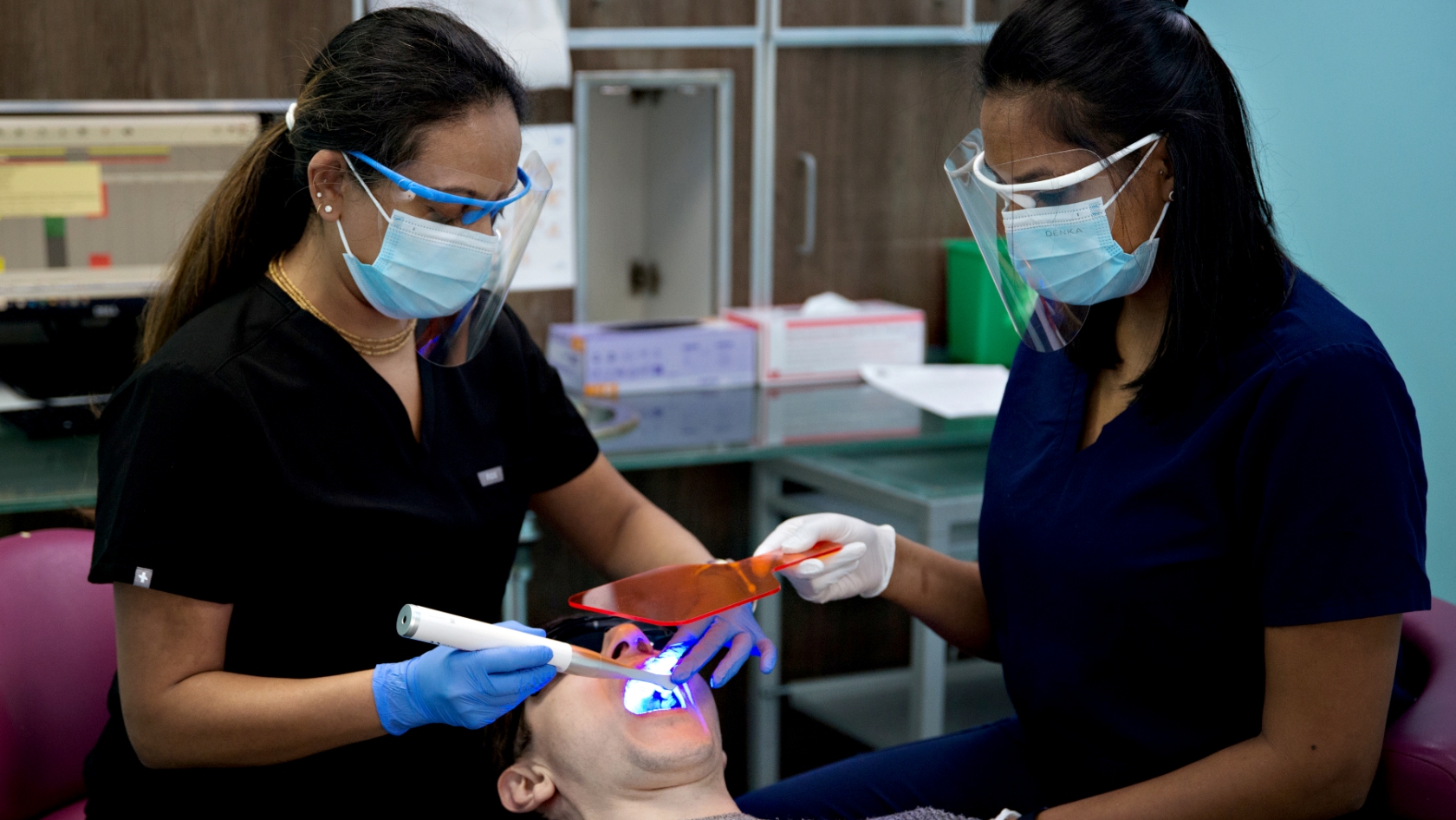
If you are experiencing severe tooth pain and need an Emergency Dentist In Milton Keynes, it is important to act quickly. Sudden dental pain can make everyday tasks such as eating, drinking, sleeping, and concentrating extremely difficult. In many cases, tooth pain can also be a sign of an underlying dental problem that requires urgent attention from a professional dentist.
Knowing what to do when tooth pain suddenly appears can help you stay calm, reduce discomfort, and prevent the issue from becoming worse before you are able to visit a dentist.
What Causes Sudden Tooth Pain?
Sudden tooth pain can happen for many different reasons. Sometimes the discomfort appears gradually before becoming severe, while in other cases the pain may seem to come out of nowhere.
Some of the most common causes of sudden tooth pain include:
- Tooth decay or cavities
- Dental abscesses or infections
- Cracked or broken teeth
- Lost fillings or crowns
- Gum disease
- Teeth grinding
- Impacted wisdom teeth
- Trauma or injury to the mouth
The level of pain can vary from mild sensitivity to severe throbbing pain that affects the jaw, ear, or surrounding teeth. Some patients may also notice swelling, bleeding, or difficulty chewing.
Signs You May Need An Emergency Dentist
Not all dental discomfort requires urgent treatment, but there are certain symptoms that should never be ignored. If you experience any of the following, it is best to contact an emergency dentist as soon as possible:
Severe Toothache
Persistent or intense tooth pain can indicate infection, decay, or nerve damage. Pain that keeps you awake at night or worsens over time should be assessed quickly.
Swelling In The Face Or Gums
Swelling around the gums, jaw, or face may suggest a dental abscess or infection. Dental infections can spread if left untreated, so prompt care is important.
Broken Or Cracked Teeth
A cracked or fractured tooth can expose the inner nerves of the tooth and cause significant pain. Immediate dental treatment may help save the tooth and prevent further damage.
Bleeding That Does Not Stop
Bleeding after an injury or accident should always be taken seriously, especially if it continues for an extended period.
Sensitivity To Hot Or Cold
Extreme sensitivity may indicate enamel damage, decay, or infection within the tooth.
What To Do Before Seeing A Dentist
While waiting for your emergency dental appointment, there are several things you can do to help manage the pain and protect your teeth.
Rinse Your Mouth With Warm Salt Water
Warm salt water can help clean the affected area and reduce bacteria inside the mouth. It may also provide temporary relief from inflammation.
Take Over-The-Counter Pain Relief
Pain relief medication may help reduce discomfort until you can see a dentist. Always follow the instructions provided on the packaging.
Avoid Very Hot Or Cold Foods
Temperature-sensitive teeth may become more painful when exposed to hot drinks or cold foods. Softer foods are often easier to manage during dental pain.
Keep The Area Clean
Gentle brushing and flossing can help remove trapped food and bacteria around the painful tooth.
Common Emergency Dental Treatments
An emergency dentist will first identify the cause of the pain before recommending treatment. Depending on the problem, treatment may include:
Fillings
If tooth decay or a lost filling is causing the pain, a replacement filling may restore the tooth and relieve sensitivity.
Root Canal Treatment
When infection reaches the inner pulp of the tooth, root canal treatment may be required to remove infection and save the tooth.
Dental Crowns
Broken or weakened teeth may need a crown to restore strength and protect the tooth from further damage.
Tooth Extraction
In severe cases where a tooth cannot be saved, extraction may be necessary to prevent ongoing pain or infection.
Emergency Hygiene Treatment
If gum disease or infection is contributing to pain and swelling, professional cleaning may help improve oral health.
Why You Should Never Ignore Tooth Pain
Many people delay visiting the dentist in the hope that the pain will disappear on its own. Unfortunately, untreated dental problems often worsen over time.
Ignoring sudden tooth pain may lead to:
- Increased infection
- Tooth loss
- Gum damage
- More complex dental treatment
- Higher treatment costs in the future
Seeking professional advice early can often prevent a minor problem from becoming a serious dental emergency.
How To Reduce The Risk Of Dental Emergencies
Although not every dental emergency can be prevented, maintaining good oral health habits can significantly reduce the risk of sudden tooth pain.
Attend Regular Dental Check-Ups
Routine dental examinations help identify problems early before they become painful emergencies.
Brush And Floss Daily
Keeping teeth and gums clean helps prevent decay and gum disease.
Wear A Mouthguard
If you play contact sports or grind your teeth at night, a custom mouthguard can help protect your teeth from damage.
Avoid Hard Foods
Chewing ice, hard sweets, or other hard foods can increase the risk of cracked teeth.
Do Not Ignore Early Symptoms
Sensitivity, discomfort, or mild pain should always be checked by a dentist before the issue worsens.
Emergency Dental Care In Milton Keynes
Sudden tooth pain can be stressful and uncomfortable, but professional dental treatment can often provide fast relief and prevent long-term complications. Whether you are dealing with a severe toothache, swelling, a broken tooth, or a dental infection, seeking help quickly is the best way to protect your oral health.
If you are searching for an Emergency Dentist In Milton Keynes, professional dental care can help diagnose the cause of your pain and provide the most appropriate treatment to restore your comfort and smile.