
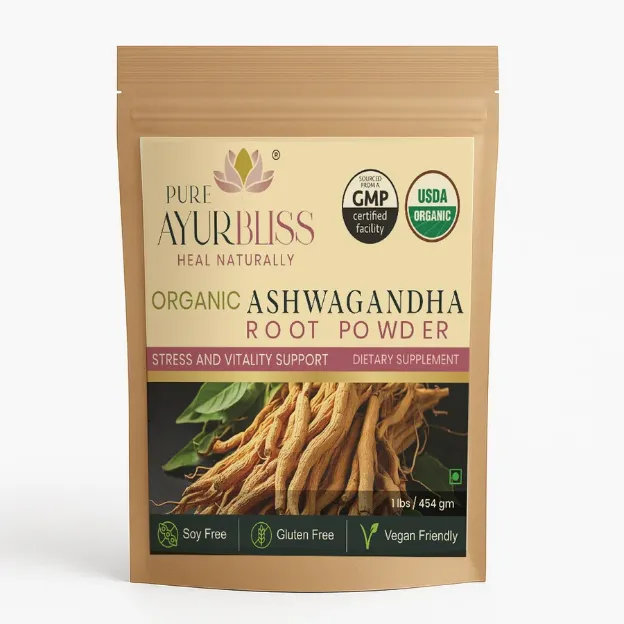
A herb does not become part of a traditional health system overnight. Its place is shaped by generations of observation, preparation and practical use. Ashwagandha has followed this path in Ayurveda, where its roots have been valued for their association with strength, vitality and balance. Today, the growing interest in herbal wellness has encouraged people to explore ashwagandha powder benefits and understand how this traditional ingredient fits into contemporary lifestyles.
Rather than treating it as a quick solution for every health concern, it is worth examining its botanical properties, traditional applications, preparation methods and the scientific interest surrounding it.
1. The Journey From Root To Powder
Ashwagandha, scientifically known as Withania somnifera, is a shrub that grows in several dry regions of India, Africa and the Middle East. Its roots are the most commonly used part in traditional Ayurvedic preparations.
After harvesting, the roots are cleaned, dried and processed into a fine powder. This simple preparation method makes the ingredient convenient to store and incorporate into different wellness routines.
The quality of the final powder depends on several factors, including the condition of the raw material, drying practices, processing standards and storage conditions. These details matter because a product’s quality begins long before it reaches the consumer.
2. Why Its Chemical Composition Matters
Ashwagandha contains naturally occurring compounds called withanolides. These plant-based substances have attracted scientific attention because of their potential biological activities.
Researchers have investigated their antioxidant and anti-inflammatory properties, along with their possible effects on stress-related processes. However, the concentration of these compounds can differ between plant varieties and preparations.
This distinction is important when comparing ordinary root powder with standardised extracts. Both come from the same plant, but their composition and concentration may be different. Findings from studies involving concentrated extracts should not automatically be applied to every powdered preparation.
3. Its Traditional Place In Ayurvedic Practice
In Ayurveda, Ashwagandha is traditionally classified as a Rasayana herb. Rasayana preparations are associated with nourishment, vitality and maintaining overall well-being.
The herb has historically been included in formulations intended to support strength, stamina and the body’s ability to adapt to physical and mental demands. Its use is also connected with traditional approaches to rest and recovery.
Ayurvedic practitioners consider individual constitution, lifestyle and overall health when recommending herbs. This approach explains why the same preparation may not be appropriate for everyone.
4. Supporting A More Balanced Sleep Routine
Sleep quality depends on several interconnected habits, including consistent bedtimes, a comfortable sleeping environment and reduced stimulation before bedtime.
Ashwagandha has also been investigated for its potential relationship with sleep quality. Certain studies have reported improvements in sleep-related measures, although the results are not equally applicable to every product or individual.
Its traditional association with relaxation has contributed to its popularity among people exploring herbal approaches to evening wellness. A regular sleep schedule, limited caffeine intake late in the day and sufficient rest remain important foundations of healthy sleep.
5. Understanding Its Different Everyday Applications
The ashwagandha powder used in traditional practices extends beyond a single wellness objective. Depending on the formulation and individual requirements, it has been used in preparations associated with physical strength, nourishment and general vitality.
Some people incorporate the powder into milk or other beverages, while traditional formulations may combine it with additional herbs or ingredients.
Its use in contemporary wellness routines is also influenced by growing interest in plant-based products. Nevertheless, its traditional applications should be distinguished from scientifically established medical benefits. Research is still developing, and evidence for one preparation does not necessarily establish the effectiveness of another.
6. Choosing Between Powder And Standardised Extracts
Consumers often encounter Ashwagandha in several forms, including root powder, capsules and concentrated extracts. Understanding their differences can make product selection easier.
Root powder generally contains the naturally occurring constituents of the dried root in their original proportions. Standardised extracts, on the other hand, are processed to provide a specified concentration of selected compounds.
Neither form is automatically suitable for every person. The choice depends on individual needs, product quality, professional guidance and the intended application.
Reading the ingredient label carefully is more useful than relying only on claims about strength or concentration.
7. Quality Checks Before Bringing It Home
The appearance and packaging of an herbal supplement do not provide complete information about its quality. Consumers should look for transparent product descriptions, ingredient details, manufacturing information and appropriate quality-testing documentation.
It is also useful to check whether the product contains additional ingredients, artificial additives or unnecessary fillers.
Proper packaging protects the powder from moisture, heat and contamination. Following the manufacturer’s storage instructions helps maintain its condition after opening. When purchasing herbal products, consumers should prioritise reliable sellers and clear product information rather than choosing solely on the basis of price.
8. Safety And Responsible Consumption
Natural ingredients are not automatically free from side effects. Ashwagandha may cause digestive discomfort, drowsiness or other unwanted reactions in some individuals.
It may also interact with certain medications, including those used for thyroid conditions, blood pressure, diabetes and immune-related disorders. People with liver conditions should exercise particular caution because rare cases of liver injury have been associated with Ashwagandha supplements.
Pregnant or breastfeeding individuals should avoid using it unless specifically advised by a qualified healthcare professional. Anyone considering regular supplementation should discuss suitability, dosage and possible interactions with a healthcare provider.
Conclusion
Ashwagandha’s journey from a traditional Ayurvedic root to a widely recognised herbal ingredient reflects the continuing interest in plant-based wellness. Its historical applications, naturally occurring compounds, and emerging research make it an interesting subject for anyone exploring herbal supplements. Consumers looking to buy ayurvedic supplements online should prioritise product quality, ingredient transparency and responsible sourcing.
Brands such as PureAyurBliss support growing interest in traditional wellness by offering a range of Ayurvedic herbal products featuring ingredients used in traditional practices. Through its selection of tablets, powders and Shilajit products, the brand makes these herbal options accessible to consumers exploring natural wellness choices. Understanding product ingredients, traditional uses and appropriate usage guidance can help individuals make informed purchasing decisions when incorporating Ayurvedic products into their everyday routines.