
The Annapurna region of Nepal is widely regarded as one of the finest trekking destinations in the world. Known for its dramatic landscapes, towering Himalayan peaks, and rich cultural diversity, it attracts thousands of trekkers every year. Among its many routes, the Annapurna Circuit Trek and the Annapurna Base Camp Trek are two of the most popular choices. While both treks offer incredible mountain experiences, they differ in duration, difficulty, scenery, and overall trekking style. Understanding these differences is essential for selecting the journey that best suits your preferences.
Introduction to the Annapurna Region
Located in north-central Nepal, the Annapurna region is home to some of the world’s highest mountains, including Annapurna I (8,091 meters). The area is protected under the Annapurna Conservation Area, which preserves its unique ecosystems and cultural heritage. Trekkers can experience a wide range of environments—from lush subtropical forests and terraced fields to alpine landscapes and high mountain deserts.
The region is also culturally rich, inhabited by diverse ethnic communities such as Gurung, Thakali, and Manangi people. Their traditions, monasteries, and local lifestyles add depth to the trekking experience, making it more than just a physical journey.
Annapurna Circuit Trek: The Classic Himalayan Expedition
The Annapurna Circuit Trek is a long-distance route that circles the Annapurna massif. Traditionally taking 14 to 20 days, it covers approximately 160 to 200 kilometers. This trek is famous for its incredible variety of landscapes and cultural encounters.
One of the most significant highlights is crossing Thorong La Pass at 5,416 meters, one of the highest trekking passes in the world. This section requires good physical fitness and proper acclimatization, as altitude can pose a serious challenge.
The trek begins in lower-altitude villages surrounded by greenery and gradually ascends through forests and valleys. As trekkers move higher, the environment becomes more rugged and dry, resembling Tibetan terrain. Villages such as Manang and Muktinath provide unique cultural insights, including Buddhist monasteries and traditional practices.
The Annapurna Circuit is ideal for experienced trekkers or those seeking a comprehensive adventure that combines scenic diversity, cultural immersion, and high-altitude trekking.
Annapurna Base Camp Trek: A Scenic and Accessible Journey
The Annapurna Base Camp Trek, often referred to as the ABC Trek, is a shorter and more direct route into the heart of the Annapurna Sanctuary. Typically completed within 7 to 12 days, it is a popular option for trekkers with limited time.
The trail passes through beautiful villages like Ghandruk and Chhomrong, offering opportunities to experience local culture and hospitality. Trekkers walk through dense forests of bamboo and rhododendron, cross rivers, and enjoy stunning views along the way.
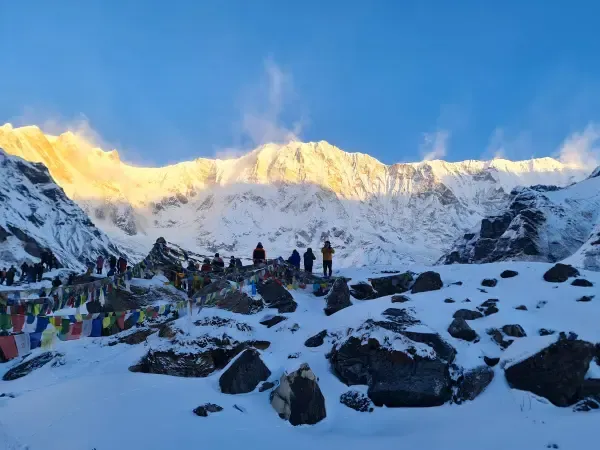
The final destination, Annapurna Base Camp, lies at 4,130 meters and is surrounded by towering peaks such as Annapurna I, Machapuchare, and Hiunchuli. The panoramic mountain views from the base camp are truly breathtaking, creating a sense of being enclosed within a natural amphitheater of हिमालयन giants.
This trek is suitable for moderately fit individuals and is considered less demanding than the Annapurna Circuit, as it does not involve crossing extremely high passes.
Major Differences Between the Two Treks
Although both treks are located in the same region, they offer distinct experiences.
Duration:
The Annapurna Circuit requires a longer time commitment, often exceeding two weeks. The Base Camp Trek is shorter and can be completed in about a week.
Difficulty:
The Circuit Trek is more challenging due to its length and high altitude. The Base Camp Trek is moderately difficult and more accessible for beginners.
Scenery:
The Annapurna Circuit offers greater landscape diversity, including forests, valleys, and desert-like terrain. The Base Camp Trek focuses more on lush greenery and close-up mountain views.
Altitude:
The highest point of the Circuit Trek is Thorong La Pass (5,416 meters), while the Base Camp Trek reaches 4,130 meters. This makes the Circuit more demanding in terms of altitude.
Cultural Experience:
The Circuit Trek passes through a wider variety of communities, providing a broader cultural experience compared to the Base Camp Trek.
Best Time for Trekking
The best seasons for both treks are spring (March to May) and autumn (September to November). These months offer stable weather, clear skies, and excellent visibility of the mountains.
Spring is known for blooming rhododendron forests, while autumn provides crisp air and vibrant landscapes. Winter trekking is possible but challenging, especially on the Circuit due to snow at higher elevations. The monsoon season is generally avoided due to heavy rainfall and slippery trails.
Preparation and Practical Tips
Preparation is key to a successful trekking experience. Trekkers should engage in regular physical training, focusing on endurance and strength. Hiking practice before the trip is highly recommended.
Acclimatization is crucial, particularly for the Annapurna Circuit Trek. Gradual ascent and rest days help prevent altitude sickness.
Packing essentials include warm layered clothing, sturdy trekking boots, a sleeping bag, and water purification tools. Hiring a guide or porter can improve safety and provide valuable local insights.
Conclusion
The Annapurna Circuit Trek and the Annapurna Base Camp Trek are two of the most remarkable trekking routes in the Himalayas, each offering a unique experience. The Circuit Trek is a long and adventurous journey that showcases diverse landscapes and challenges trekkers with high-altitude conditions. In contrast, the Base Camp Trek provides a shorter, more accessible route with equally stunning mountain views and a more focused experience.
Choosing between the two depends on your available time, fitness level, and trekking goals. Whether you prefer the extended exploration of the Circuit or the direct beauty of the Base Camp route, both treks promise unforgettable scenery, cultural richness, and a deep connection with nature. Ultimately, either choice will leave you with lasting memories of Nepal’s extraordinary Himalayan landscape.